Managing the affairs of Ultra-High-Net-Worth (UHNW) individuals requires a delicate balance between accessibility and privacy. For those operating within a family office, the safety of the principal and their relatives is a primary concern that sits at the top of every agenda.
However, there is often a misconception about what modern security looks like. It’s not just about physical presence, but about sophisticated risk management. This guide explores the role of close protection officers and how they provide peace of mind in an increasingly complex world.
Defining The Role Of Modern Close Protection Officers
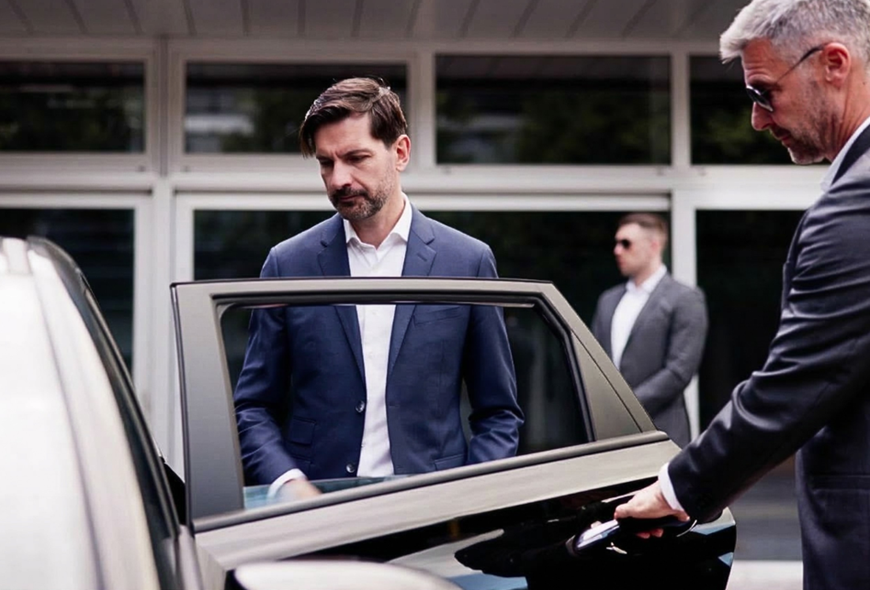
When people think of personal security, they often envision the stereotypical bodyguard—a hulking figure in dark glasses standing stoically by a door. In reality, the professional landscape has evolved significantly. Close protection officers (CPOs) are highly trained specialists who provide a comprehensive layer of security while integrating seamlessly into a client's daily life.
The distinction between a bodyguard and a CPO is important for family offices to understand. While a bodyguard might focus solely on physical intervention, a CPO is a protection specialist. They’re trained to be discreet, often operating in the background to ensure that the principal can conduct their business and social life without feeling under watch.
The Core Responsibilities Of A Protection Detail
A CPO’s day-to-day work involves far more than just "walking the floor." Their role is rooted in preparation and proactive planning. Before a principal even leaves their residence, a CPO has likely conducted advanced reconnaissance of the destination. This includes identifying secure entry and exit points, locating the nearest medical facilities, and assessing the local environment for potential hazards.
For a family office, the scope of what is a close protection officer extends to logistical support. CPOs manage secure journey planning, ensuring that travel routes are vetted and alternative paths are mapped out. They act as a liaison with household staff and external venues to ensure that access control is maintained without causing friction.
Licensing And Professional Standards In The UK
Private security is a highly regulated industry in the United Kingdom, and family offices must be diligent when selecting a provider. Every professional operating in this capacity must hold a valid SIA (Security Industry Authority) Close Protection licence. This requires completion of accredited training that covers threat awareness, surveillance detection and conflict management.
When researching close protection officers, it’s important to look at their professional background. Many of the UK’s leading specialists come from ex-military or police backgrounds, bringing with them a disciplined approach to risk. Reputable security firms will also ensure that all personnel undergo enhanced DBS checks and are bound by strict Non-Disclosure Agreements (NDAs).
Intelligence Over Weaponry
A common question for international families moving to London is whether their security team will be armed. It’s important to clarify that UK close protection officers operate unarmed as standard. Firearms legislation in the UK strictly prohibits civilian armed protection. While this may seem like a limitation to those accustomed to security in other jurisdictions, it actually highlights the superior skill set of British CPOs.
Effective protection in the UK relies on intelligence, meticulous planning and de-escalation techniques rather than the display of weaponry. By identifying a threat before it manifests, a professional CPO removes the need for physical confrontation. This intelligence-led approach is often more effective in a low-profile environment, as it prevents the security detail from drawing unnecessary attention to the principal.
The Importance Of Personal Chemistry And Discretion
For UHNW families, technical capability is only half of the requirement. Because close protection security services often involve being in close proximity to a family’s private life, personal chemistry is essential. A CPO must possess high levels of emotional intelligence and be able to adapt their behaviour to suit different environments.
Family offices should prioritise trial periods when hiring. This allows the principal to assess whether the officer’s communication style and personality align with their lifestyle.
Identifying The Triggers For Close Protection
Not every family requires 24/7 security at all times, but there are certain triggers that should prompt a family office to consider engaging close protection officers. These include:
- Relocation to an unfamiliar city or country where the local risks are not yet understood.
- A significant increase in public visibility due to business deals, philanthropy or media attention.
- Specific threatening incidents or a rise in targeted digital harassment.
- International travel to regions designated as high-risk by insurance providers.
- Compliance with insurance requirements for high-value asset protection.
How To Select The Right Security Partner
When evaluating firms, ask about their experience with family offices specifically. Protecting a high-net-worth family requires a different mindset than protecting a corporate executive or a celebrity. It requires a softer touch and a deeper understanding of domestic privacy.
Understanding what is a close protection officer in the context of your specific needs is the first step toward a safer future. Whether you require a single officer for a specific trip or a full residential team, the focus should always be on quality, discretion and professional integrity.
Speak with one of our experienced protection advisors today to discuss your family's security requirements in complete confidence.





No Comments Yet
Let us know what you think